Skip to content
Renga TrustAcupuncture · Yoga · Since 2005
Evidence & benefits

How these therapies work — and what research says

Acupuncture, acupressure and reflexology are among the most studied complementary therapies in the world. Here is a plain-language summary.

Benefits

What patients experience

Better circulation

Reflex and meridian stimulation improves peripheral blood flow, easing swelling and cold extremities.

Natural pain relief

Needling and pressure trigger endorphin release and modulate pain signalling in the nervous system.

Deep relaxation

Sessions shift the body from stress (sympathetic) to rest-and-repair (parasympathetic) mode.

Hormonal balance

Endocrine reflex zones — pituitary, thyroid, adrenal, pancreas — are worked to support regulation.

No side effects

Drug-free, non-invasive therapies that can run alongside any medical treatment.

For every age

From children to the elderly, techniques are adapted for comfort and safety.

Research summary

Findings from clinical studies

Summaries of published evidence. Results vary between individuals; these therapies complement — never replace — medical care.

Reflexology and anxiety

Systematic reviews of randomised trials report clinically meaningful reductions in anxiety and improved sleep quality after foot reflexology, particularly in hospitalised and post-operative patients.

Source: Peer-reviewed meta-analyses, 2019–2023

Acupuncture for chronic pain

Large individual-patient-data meta-analyses (≈20,000 patients) find acupuncture superior to sham and to no-acupuncture control for chronic back, neck, shoulder and osteoarthritis pain, with effects persisting at 12 months.

Source: Vickers et al., J Pain 2018

Acupressure and fatigue

Self-administered acupressure has been shown to reduce fatigue and improve quality of life in cancer survivors and shift workers in controlled trials.

Source: JAMA Oncology 2016

Reflexology and blood pressure

Trials in hypertensive adults show short-term reductions in systolic blood pressure and heart-rate variability improvements after foot reflexology sessions.

Source: Complementary Therapies in Clinical Practice

WHO recognition

The World Health Organization lists acupuncture among traditional and complementary medicine practices and has published standard nomenclature and training guidelines for it.

Source: WHO Traditional Medicine Strategy

Varma & musculoskeletal pain

Varma therapy is documented in Siddha literature and taught in Government Siddha medical colleges of Tamil Nadu for musculoskeletal and neurological complaints.

Source: Siddha system curriculum, Tamil Nadu

Trust publications

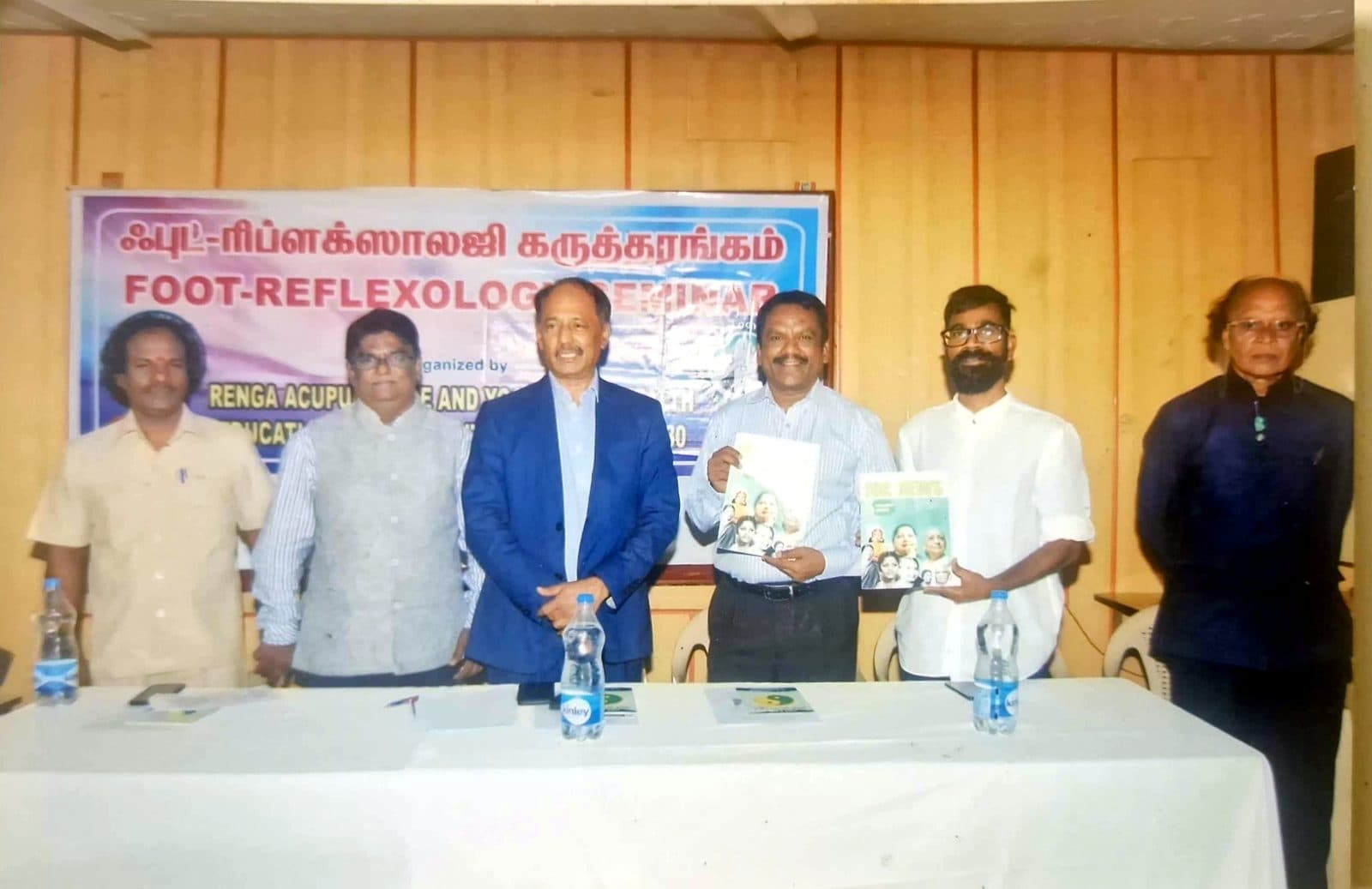
The trust has released its own magazine (2006) and conference proceedings from the 1st Foot Reflexology Awareness Conference (2018). Copies are available at the clinic and at camps.

Request a copy

Ready to feel better — naturally?

Book a consultation, enrol in a diploma, or invite the trust to conduct a free camp for your community.